
Ask a fire protection technician who has serviced the same buildings for a decade what actually fails between annual inspections, and the answer is never the strategy. It is the hardware: the hose reel brackets bleeding rust streaks down a wall within two coastal winters, the gauge faces clouded past legibility by the third inspection round, the call-point covers cracked by UV, and the duty watch on the technician's wrist that corroded under daily sanitiser and sweat long before its mechanism gave out. Fire equipment lives in the worst conditions on a building's inventory — plant rooms at 40 degrees, coastal salt air, decades of stillness punctuated by one emergency. The difference between hardware that passes its fifth inspection and hardware replaced every second year is a short list of numbers most procurement sheets never check.
Hardness Is Measured, Not Guessed
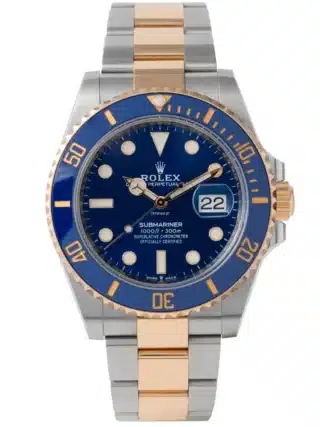
The Mohs scale runs from 1 (talc) to 10 (diamond). Ordinary glass sits near 5.5, tempered glass reaches 6-7, and synthetic sapphire — the crystal used in quality instrument faces and serious watchmaking — measures 9, scratched in daily service only by diamond. On a fire panel or a pressure gauge this matters directly: gauges in plant rooms are wiped, buffeted and dust-coated for years, and quartz at 7 Mohs in building dust is always present. A mineral-glass gauge face clouds within a few years of plant-room exposure; a sapphire-faced one stays legible through a decade of inspections, and legibility on a pressure gauge is not cosmetic — it is the reading the inspector signs.
For metals the working figure is Vickers hardness (HV). Steel 316L — the surgical-implant grade — runs about 200 HV with 16-18% chromium, 2-3% molybdenum and 10-14% nickel. That molybdenum is precisely what resists coastal chloride, the number-one killer of fire hardware within sight of the ocean: plain 304 brackets pit and streak within two coastal summers, while 316L holds finish and strength for decades. Coated alloys are worse still — a micron-thin decorative layer over soft zinc, and once a scratch breaches it, corrosion crawls underneath within one wet season. Every technician who has watched a plated cabinet latch seize inside two years knows this failure by name.
Comparison Table: What the Numbers Say
| Component | Spec to demand | Relative cost | Realistic service life |
|---|---|---|---|
| Hose reel bracket, 304 | no molybdenum | 1x | pits in 2 coastal years |
| Hose reel bracket, 316L | 2-3% Mo, 200 HV | 1.5x | 15+ years |
| Gauge face, mineral glass | 5.5 Mohs | 1x | clouds in 3-5 years |
| Gauge face, sapphire | 9 Mohs | 2x | 10+ years legible |
| Plated cabinet hardware | alloy undeclared | 1x | seizes within 2 years |
| Solid 316L hardware | no plating | 4x | building lifetime |
The pattern holds: the durable option costs 1.5 to 4 times more on the schedule and wins decisively across the life of the building. The 316L bracket that costs 50% more does not just resist pitting — it still passes the fifth annual inspection without a comment, while the 304 bracket has been replaced twice at cumulative cost above the original gap, each replacement with a permit and a shutdown attached.
The Checklist Before the Next Order
- Coastal or wet areas: 316L mandatory for brackets, latches and external hardware; 304 is the indoor-dry floor, not the coastal answer.
- Gauge and panel glass: tempered or sapphire over mineral — the price difference is trivial against the cost of an unreadable gauge at inspection.
- Latches, hinges, valve handwheels: solid stainless or brass; anything plated is a part scheduled to seize.
- Seals: nitrile or EPDM with a stated cycle rating; unidentified rubber hardens within two seasons and leaks pressure quietly.
- Weigh components on delivery; filler alloys and hollow castings announce themselves with implausibly low weight for size.
An instructive parallel comes from collectible watches, an industry forced to publish specifications the way a good fire engineer publishes his hydraulic calculations. Collectors separate crude copies from high-grade rolex superclone listings not by the logo but by documented numbers: certified 316L or 904L steel, sapphire rated 9 Mohs, weight matched to the original within a gram, stated on the page the way a datasheet states it. Anyone who has watched a plated latch seize through two coastal seasons understands exactly what those figures are worth — the difference is never on the dial, it is in the published materials. The same documentation discipline appears on detail pages like the rolex submariner replica listings, where steel grade, glass hardness and weight are written down rather than implied.
Corrosion and Seals: The Silent Budget Killers
Fire equipment rarely fails by scratching; it fails by chemistry. Chloride from coastal air, cleaning agents and human sweat attacks any alloy under 10.5% chromium, which is why 316L, with its molybdenum, is also the metal of implants and offshore platforms. Seals follow the same logic: a nitrile valve seal with a stated cycle rating survives tens of thousands of operations and the 60-degree heat of a plant room, while no-name rubber hardens and weeps within a couple of seasons — and a weeping valve seal is found only at inspection, after a year of slow pressure loss. A procurement officer who records the specification at order time, the way a detailed replica rolex listing does, defends every rand at replacement instead of guessing.
Frequently Asked Questions
Is 316L worth the premium inland, away from the coast?
Inland and dry, 304 is usually adequate. Within a few kilometres of the ocean, in plant rooms, or anywhere washdowns happen, 316L pays for itself by the second inspection cycle.
Does gauge glass really matter to compliance?
Directly. The inspector reads and signs that face; a clouded mineral glass turns a passing gauge into a replacement order, and a sapphire face is legible through a decade of plant-room dust.
How can a contractor verify a "stainless steel" claim without a lab?
Weigh the part against its declared specification, check that fittings are machined rather than pressed, and ask for the grade — 316L and 430 behave completely differently after one coastal winter.
Does good material remove the need for maintenance?
No — it makes maintenance effective. Correct materials with the scheduled routine pass inspection after inspection; wrong materials cannot be saved by any routine.
Specify Like an Engineer
A fire engineer verifies every claim against the component, and the same habit applied to procurement pays a quiet dividend across the building's life. Alloy grade, glass hardness, seal material, cycle rating, weight — five numbers, written on the schedule at order time. The difference between spending and investing starts exactly there: demanding specifications instead of impressions, and installing hardware that still passes when the fifth annual inspection becomes the fifteenth.
